

Why Hashport?
Experience enterprise-grade interoperability built on trust, speed, and chain neutrality.

Enterprise-Grade Security
Secured by an industry-leading validator swarm. Hashport utilizes a global decentralized group of validators to secure the portal, ensuring the integrity of every transaction. We maintain the highest levels of security through rigorous audits and regular, in-depth network reviews.
Powered by Hedera Consensus
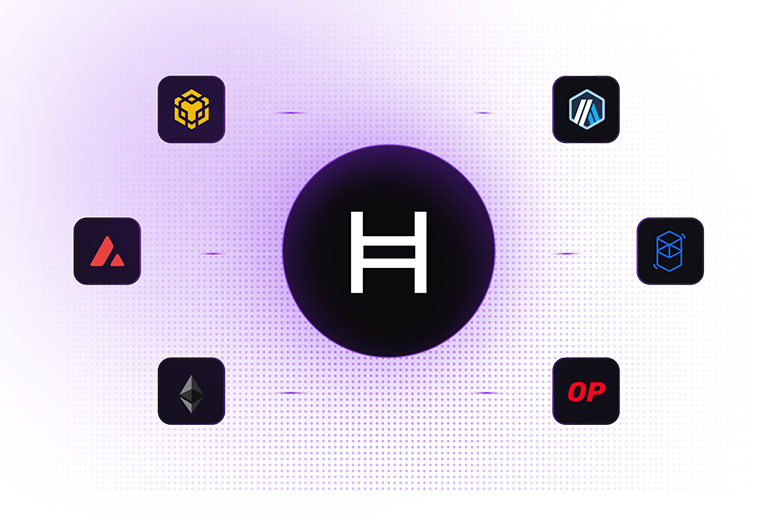
High speed, low fees, and instant finality. By harnessing the power of the Hedera Consensus Service (HCS), Hashport delivers a seamless bridging experience. Move digital assets quickly and cost-effectively without the congestion or high gas fees found on other networks.
Platform-Neutral Utility
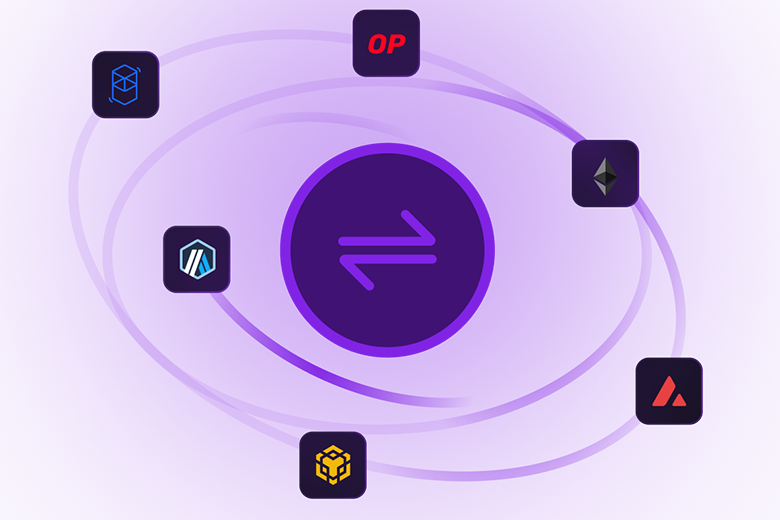
No proprietary token required. Hashport operates as a true public utility. We eliminate friction by interacting directly with the validator swarm and smart contracts on your behalf, which eliminates the need for us to issue a hashport token when you transfer assets.

Limitless Accessibility
Unlock global liquidity and new markets. Maximize the potential of your digital assets by moving them across networks. Whether you are tapping into new DeFi opportunities, or a developer utilizing our predictable APIs, Hashport makes the ecosystem reliable and extensible.

Governance
The Validator Swarm is the governance structure powering hashport and is comprised of a diverse group of industry-leading organizations.
Community Engagement
Hashport is built for the benefit of the DLT community. We think everyone is stronger when we can interact and work together. Engage with us!

Trust
Hashport has assembled some of the most trusted organizations in the community so that you can port your assets in confidence.

Neutrality
The critical infrastructure we have designed is protocol-neutral and serves as a public good.

Excellence
Members of the hashport governing council operate at the highest levels of excellence in their respective industries and bring this ethos to hashport.

How Hashport Works
Hashport is a public utility that facilitates the movement of digital assets between Hedera and other blockchain networks in a fast, secure, & cost effective way.
What is a Representative Token?
Representative tokens are 1:1 re-creations of protocol-native tokens that can be used on other networks.
Original Destination
Finally, the orignal networks are re-deposited into the users wallet.
Step 1
User submits a request for transaction on the hashport application. Locking tokens from origin network onto the platform.
Step 2
The validator swarm picks up the submitted request. The first validator to detect the request creates the transaction and circulates it for signature amongst the other validators.
Step 3
Upon receiving supermajority of signatures, the transaction is submitted to the Hedera Consensus Service (HCS) as an HCS topic.
Step 4
Once the transaction is logged on Hedera via HSC, a message is sent to the smart contract endpoint residing on the destination network to limit the users representation tokens.
Step 4
Once the transaction is logged on Hedera via HSC, a message is sent to the smart contract endpoint residing on the destination network to limit the users representation tokens.
Step 3
Upon receiving supermajority of signatures, the transaction is submitted to the Hedera Consensus Service (HCS) as an HCS topic.
Step 2
The validator swarm picks up the submitted request. The first validator to detect the request creates the transaction and circulates it for signature amongst the other validators.
Step 1
User submits a request for transaction on the hashport application. Locking tokens from origin network onto the platform.
Final Destination
Finally, the orignal networks are re-deposited into the users wallet.
Original Destination
Finally, the orignal networks are re-deposited into the users wallet.
Step 1
User submits a request for transaction on the hashport application. Locking tokens from origin network onto the platform.
Step 4
Once the transaction is logged on Hedera via HSC, a message is sent to the smart contract endpoint residing on the destination network to limit the users representation tokens.
Step 2
The validator swarm picks up the submitted request. The first validator to detect the request creates the transaction and circulates it for signature amongst the other validators.
Step 3
Upon receiving supermajority of signatures, the transaction is submitted to the Hedera Consensus Service (HCS) as an HCS topic.
Step 3
Upon receiving supermajority of signatures, the transaction is submitted to the Hedera Consensus Service (HCS) as an HCS topic.
Step 2
The validator swarm picks up the submitted request. The first validator to detect the request creates the transaction and circulates it for signature amongst the other validators.
Step 4
Once the transaction is logged on Hedera via HSC, a message is sent to the smart contract endpoint residing on the destination network to limit the users representation tokens.
Step 1
User submits a request for transaction on the hashport application. Locking tokens from origin network onto the platform.
Final Destination
Finally, the orignal networks are re-deposited into the users wallet.